Depression medication guide for Canadians

Pharmacogenomic Testing for Depression in Canada

Pharmacogenomic testing for depression in Canada may help explain how inherited genetic differences affect the way your body processes certain antidepressants. It cannot diagnose depression or guarantee the right medication, but it may provide useful information for a medication review with a Canadian doctor, psychiatrist, nurse practitioner or pharmacist.

Canada-specific testing information Evidence and limitations explained Updated August 7, 2026
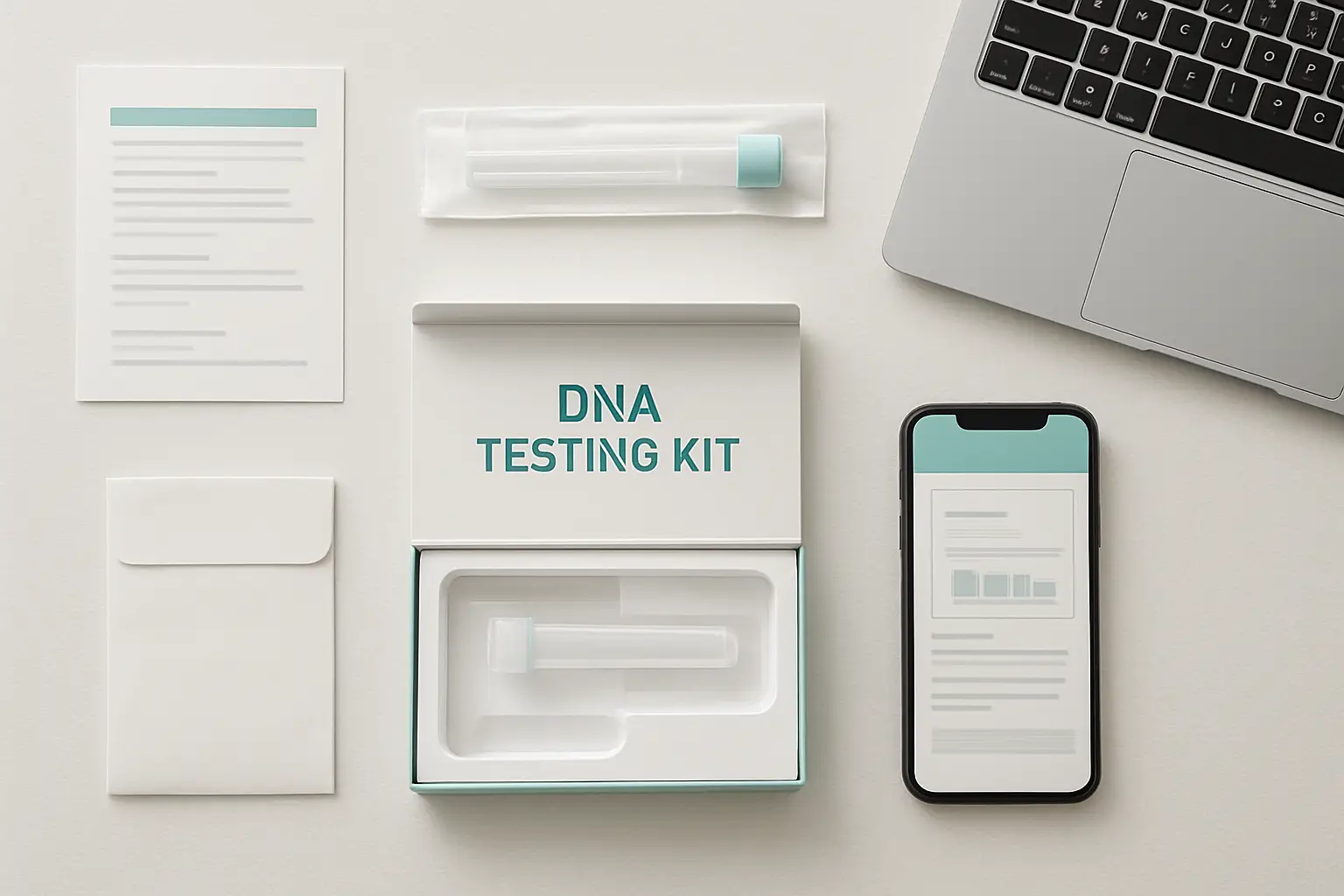
Sample collection Usually completed at home by following the instructions included with the testing kit.
Common genes Panels may include CYP2D6, CYP2C19 and other medication-related genes.
Best use Reviewing a current or proposed antidepressant with a healthcare professional.
Important limit No genetic test can guarantee medication effectiveness or prevent every side effect.

Selecting an antidepressant can involve symptoms, diagnosis, previous treatment, other medications, age, health conditions, adherence and personal preferences. Pharmacogenomic testing adds another piece of information by examining inherited variations that may affect selected gene–drug relationships.

Can pharmacogenomic testing help with depression?

It may help when the report covers a relevant antidepressant and is reviewed alongside the person's full medical and medication history. It is not a stand-alone depression test, prescription or guaranteed method for selecting treatment.

Definition

What pharmacogenomic testing means for depression treatment

Pharmacogenomics studies how genetic differences may affect a person's response to medications. Pharmacogenetic testing is a closely related term and is frequently used when discussing a specific gene or group of genes.

For depression treatment, a report may include information about enzymes that help the body process selected antidepressants. The report may indicate that a person is predicted to process a particular medication more slowly, more quickly or within an expected range.

This information may encourage a clinician to examine a dose, consider additional monitoring or review an alternative medication. The finding does not automatically mean that a medication is unsafe, ineffective or unsuitable.

Medication safety reminder

Do not stop, start or change an antidepressant based only on an online article, report colour or genetic result. Medication changes should be directed by the prescribing healthcare professional.

Realistic expectations

What a depression pharmacogenomic test can and cannot show

The value of a PGx test depends on whether the report covers genes and medications that are relevant to the person's treatment. Commercial reports may also use different evidence levels, algorithms and category systems.

CAN

Information testing may provide

  • Predicted metabolism information for selected medications.
  • Gene–drug findings that may deserve clinical review.
  • Questions to discuss before adjusting treatment.
  • Results that may remain relevant for future medication reviews.
LIMIT

Answers testing cannot guarantee

  • Which antidepressant will work best for every person.
  • Whether depression symptoms will fully improve.
  • Whether a person will experience a specific side effect.
  • Whether medication or another treatment approach is required.

Canadian healthcare reality

How pharmacogenomic testing fits into depression care in Canada

Online access does not mean the entire treatment process happens online. A PGx report is usually most useful when it is reviewed by a healthcare professional who understands the diagnosis, medication history and current treatment plan.

Access

Testing may be ordered online

A mail-in kit can make sample collection more accessible for Canadians who are not located near a specialized genetics service. Online ordering does not provide a prescription or replace an appointment.

Follow-up

Your existing provider remains important

Results may be taken to a family doctor, nurse practitioner, psychiatrist or pharmacist. The most appropriate reviewer depends on the medication question and the professionals involved in your care.

Coverage

Reimbursement is not universal

Public coverage is limited and situation-specific. Private insurance plans and health spending accounts also have different eligibility requirements. Confirm coverage before ordering.

Shipping

Regional delivery times may differ

Kit delivery and sample-return timing may vary by province, territory and community. Rural, remote and northern locations may require additional time.

Privacy

Review how genetic data is handled

Before ordering, read the consent and privacy information to understand what data is collected, how it is used, how long it may be retained and who may access it.

Local context

Follow-up access differs by community

Access to prescribers, pharmacists, specialists and insurance benefits varies across Canada. The same genetic result may lead to different practical next steps.

Canadians in Toronto, Vancouver, Montreal, Calgary, Edmonton, Ottawa, Winnipeg, Halifax and smaller communities can begin with a similar online testing pathway. Visit the Canadian testing location directory to find information for your province or city.

Gene–drug relationships

Which genes may appear on an antidepressant PGx report?

Pharmacogenomic testing panels differ. The presence of a gene on a commercial report does not mean every medication has an equally strong or clinically actionable relationship with that gene.

Example antidepressant pharmacogenomic report reviewed in Canada
A pharmacogenomic report may show gene–drug findings for selected antidepressants, but results still require professional interpretation.
Gene Why it may appear How to use the result responsibly
CYP2D6 Helps metabolize several medications, including selected antidepressants. Review the specific medication, predicted metabolizer status, current drugs and available prescribing guidance.
CYP2C19 Is relevant to the metabolism of certain commonly prescribed antidepressants. A clinician may consider whether exposure, tolerability or monitoring deserves closer attention.
CYP2B6 May contribute to the metabolism of selected antidepressant medications. Interpret the result only when the gene–drug relationship applies to the medication being considered.
Other genes Some panels include additional pharmacodynamic or medication-related markers. Ask which clinical evidence or guideline supports each recommendation in the report.
Decision support

Who might consider pharmacogenomic testing for depression?

Pharmacogenomic testing is not automatically necessary for every person with depression. Its usefulness depends on the medication question, test quality and availability of professional follow-up.

01

Several medication trials

Testing may be worth discussing when previous antidepressants provided limited benefit, unexpected side effects or difficult dosing questions.

02

A specific prescribing decision

A report is more useful when a clinician has a clear medication or dose question instead of expecting the test to identify a perfect antidepressant.

03

Complex medication use

People taking several medications may benefit from a broader medication review because drug interactions can influence the meaning of a genetic result.

Testing may not be the first priority

Diagnostic uncertainty, missed doses, untreated health conditions, urgent symptoms or major medication interactions may require attention before a genetic test would meaningfully change the treatment plan.

What happens next

How depression pharmacogenomic testing usually works

Review the actual product instructions, included medications, laboratory process and turnaround information before purchasing. The steps below describe a general Canadian testing pathway.

At-home pharmacogenomic testing process for Canadians
The general process includes choosing a relevant test, collecting the sample, receiving the report and reviewing the findings with a qualified healthcare professional.
01

Define the medication question

Record the current antidepressant, dose, previous medications, treatment response and any side effects you want to discuss.

02

Compare the test with your needs

Check which genes and medications are included, what the purchase covers, how privacy is handled and whether report support is available.

03

Collect and return the sample

Follow the supplied collection, packaging and return instructions carefully to reduce the risk of processing delays.

04

Review the completed report

Examine the gene, medication, predicted phenotype and evidence explanation instead of relying only on red, yellow or green categories.

05

Discuss the result with a professional

Bring the report, medication list and treatment history to the professional responsible for prescribing or reviewing the antidepressant.

Evidence-based expectations

What does the evidence say about PGx testing for depression?

Clinical pharmacogenetic guidance is strongest for specific gene–medication relationships. The evidence is more complex than the broad claim that one commercial test can choose the best antidepressant for every person.

  • Clinical guidance may help professionals interpret existing genetic results for selected antidepressants.
  • Recommendations are medication-specific and should not automatically be applied to every antidepressant.
  • Genetics is only one influence on medication exposure, tolerability and treatment response.
  • Commercial algorithms, tested variants and report categories can differ between providers.
  • A responsible report should explain both its evidence and its limitations.
Before ordering

Questions to ask before choosing a pharmacogenomic test

Use these questions to compare the clinical relevance, privacy, support and total value of a Canadian pharmacogenomic testing service.

  • Does the panel include the antidepressant I am currently taking?
  • Which genes and genetic variants are included?
  • Which clinical guideline supports each recommendation?
  • Does the report separate strong evidence from limited evidence?
  • What happens if the laboratory cannot process the sample?
  • Who can help me understand the report?
  • How are my sample and genetic information stored or deleted?
  • What is included in the total price?
Direct answers

Frequently asked questions

These answers address common Canadian questions without treating a genetic report as a diagnosis, prescription or guaranteed treatment recommendation.

Is pharmacogenomic testing useful for depression?

It may provide useful information when the report includes a relevant antidepressant and is interpreted with the person's medication history and clinical circumstances. It cannot diagnose depression, guarantee treatment success or replace assessment by the healthcare professional managing the medication.

Can a genetic test identify the best antidepressant?

No test can reliably identify one guaranteed best antidepressant. PGx testing may show that selected medications deserve closer review because of predicted metabolism or another supported gene–drug relationship. Diagnosis, previous response, interactions and personal circumstances still matter.

Is pharmacogenomic testing covered in Canada?

Coverage is not universal. Public funding is limited and depends on the situation, while private insurance and health spending accounts have different requirements. Confirm whether an order, referral, receipt or other documentation is required before purchasing.

Can I order an antidepressant genetic test without a doctor?

Some Canadian testing services allow online ordering and home sample collection. However, a qualified prescriber or pharmacist should review the completed report before it is used to make medication decisions.

Which antidepressants are included in PGx testing?

Medication coverage differs by test. Panels may include selected SSRIs, SNRIs, tricyclic antidepressants and other drugs, but not every medication has the same evidence level. Review the exact medication list before ordering.

Can I change my medication after receiving the report?

Do not stop, change or reduce an antidepressant on your own. Take the report to the prescribing professional with your medication list and treatment history. Unsupervised changes can create avoidable health risks.

Does the testing process differ by province?

Sample collection may be similar, but shipping times, insurance benefits and access to follow-up professionals can differ. People in rural, northern or remote communities should review delivery and return logistics before ordering.

Make an informed decision

Compare the test with your real medication question

Confirm which antidepressants and genes are included, what the report looks like, how much testing costs and who can help you interpret the completed result.

Medical disclaimer: This page provides general educational information and is not medical advice, diagnosis, treatment or a prescription. Pharmacogenomic results should be reviewed with a qualified healthcare professional who can consider symptoms, diagnosis, medication history, other medications and overall health.