
Use Case
Microbiome testing gives you a snapshot of the sample collected at that moment, with report sections built to support practical follow-up. That means clearer context for a dietitian, clinician, or informed self-review rather than broad wellness claims.

Page highlights
These cards pick out the details that matter early, so the page earns attention before it asks for action.
The copy stays tied to the real question behind the page rather than generic filler.
Collection, reporting, and follow-up are explained in plain language so expectations stay realistic.
The page avoids overpromising and keeps limitations visible.
Why this matters
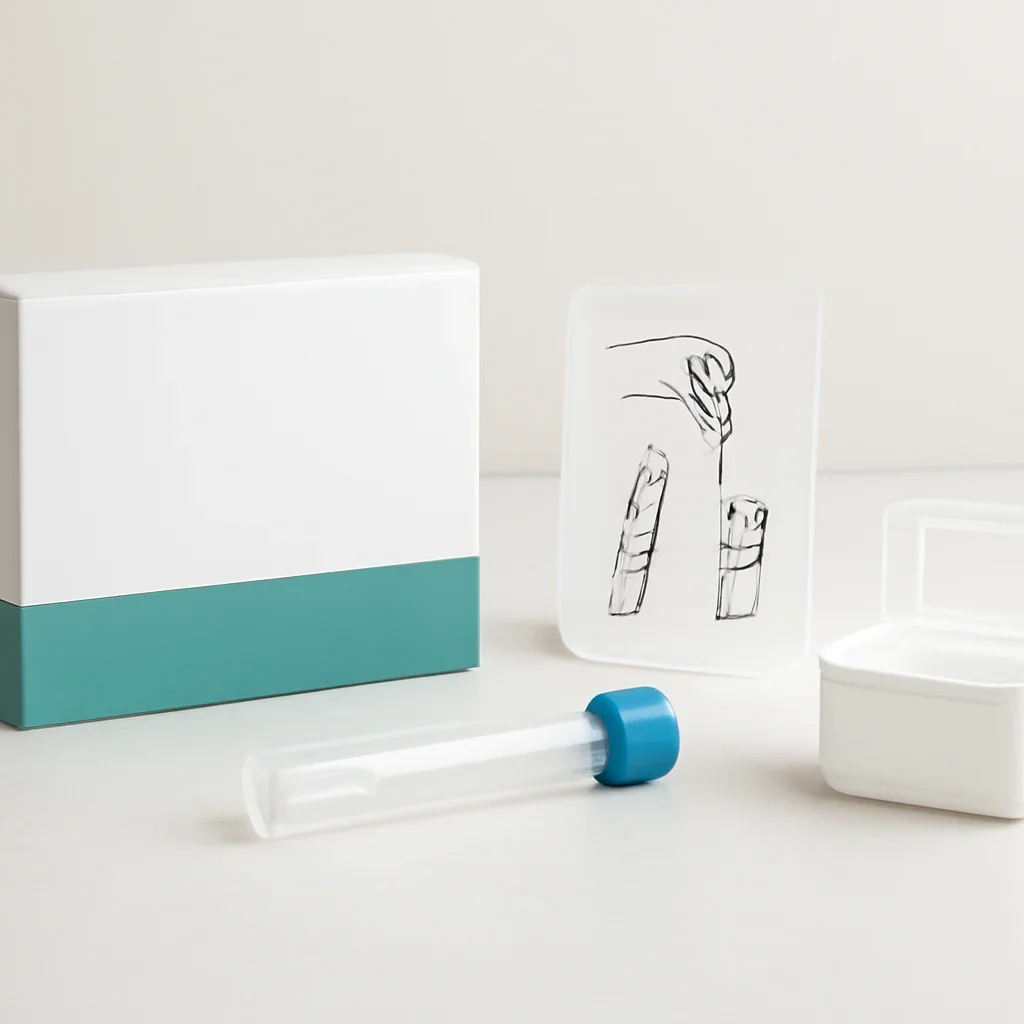
A strong microbiome page explains what happens after the kit arrives: collect the stool sample correctly, return it as instructed, read the report as a snapshot, and use the result in context rather than as a diagnosis.
Because the microbiome changes over time, a report should be read as a snapshot rather than a permanent label about your gut health.
How it works
When the next steps are explicit, people can decide whether the service fits before they commit.
Complete the online order and confirm shipping details before the kit is dispatched.
Follow the sample directions carefully because handling and timing can affect the usefulness of the result.
Focus on patterns, categories, and practical explanations instead of chasing a single score.
Treat the result as a starting point for a practical next conversation, not as the final answer by itself.
Where it fits
Useful microbiome content does not stop at description. It helps readers decide whether the next step is nutrition support, medical review, or simple patience.
Microbiome data becomes more practical when it is connected to diet, symptoms, and realistic next steps. A clear report should help that conversation move forward rather than send people deeper into confusion.

Conversion clarity
Specific copy does more than sound better. It makes the service easier to judge, which is especially important when the topic involves health information and paid testing.
Trust structure
Reviews and credentials may be published later. Until then, the page still needs a trust structure readers can use immediately.
Customer feedback can be added here after consent and editorial review. For now, the page builds trust through specific collection steps, realistic limitations, and a clear description of what the report can and cannot do.
Reviewer credentials and science oversight details can be inserted here once finalized. In the meantime, the page keeps its value by being specific about collection, reporting, and responsible follow-up.
In the absence of published reviews or credentials, concrete process language does a lot of trust-building work. People should be able to see the path from order to follow-up without guessing.
FAQ
Quick, specific answers reduce friction better than long generic explanations.
Not by itself. A microbiome report can add context, but symptoms such as pain, blood in stool, unexplained weight loss, or persistent diarrhea still need appropriate medical assessment.
Usually not. The report is more useful when paired with symptom history, diet patterns, and a realistic follow-up plan rather than immediate overcorrection.
People who have a specific question in mind tend to benefit most, because the test can then be judged against a real goal instead of a vague desire for more wellness data.
Next step
Share whether the next step is comparison shopping, diet follow-up, symptom context, or help reading a report. Knowing that makes the reply more practical.