
Use Case
Microbiome testing gives you a snapshot of the sample collected at that moment, with report sections built to support practical follow-up. That means clearer context for a dietitian, clinician, or informed self-review rather than broad wellness claims.

Useful at a glance
A card layout only works when each block adds something new. The points below are written to do that.
The copy stays tied to the real question behind the page rather than generic filler.
Collection, reporting, and follow-up are explained in plain language so expectations stay realistic.
The page avoids overpromising and keeps limitations visible.
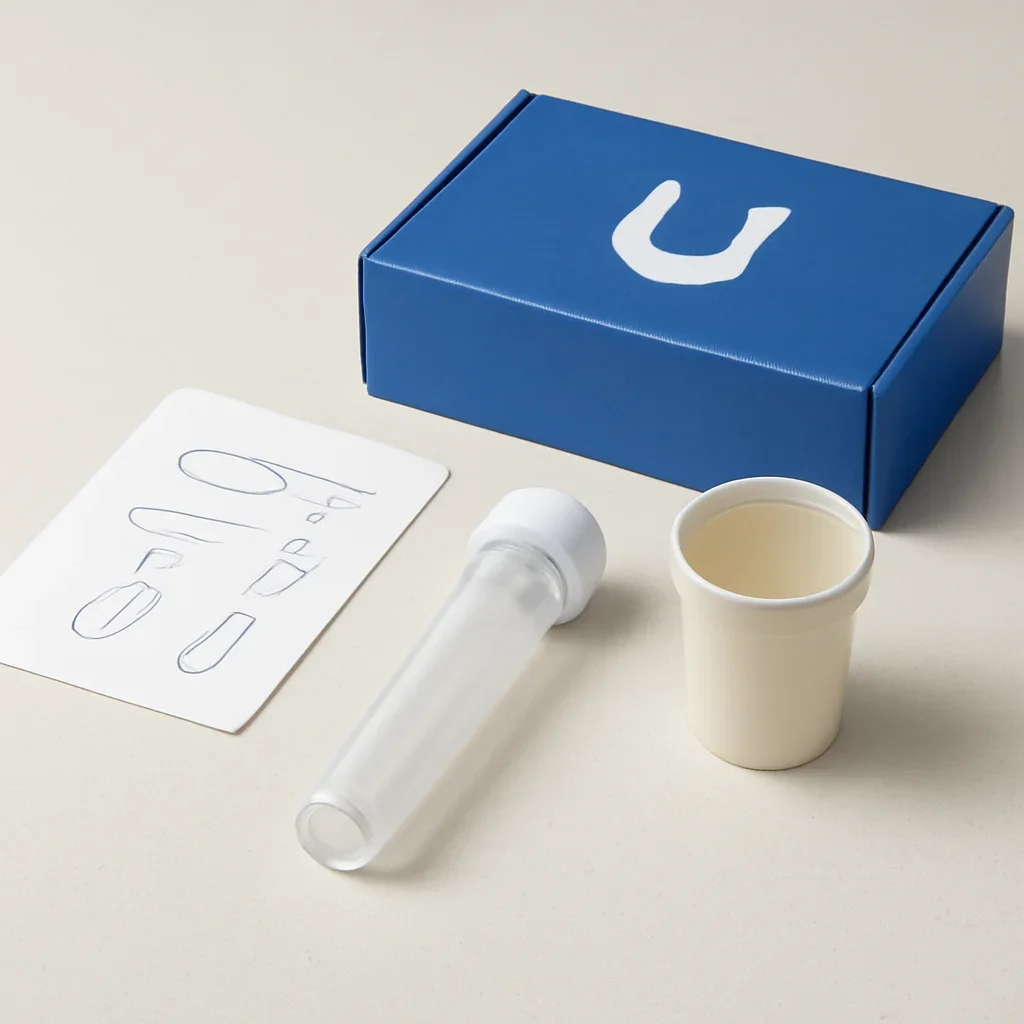
Useful detail
Nutrition questions are one of the most common reasons people order a microbiome test. A useful report does not hand out rigid rules; instead, it highlights patterns that may help a dietitian or clinician decide which food, fibre, or routine changes deserve closer attention.
This matters because overly restrictive plans can do more harm than good. The best next steps usually come from pairing the report with symptoms, food history, and realistic daily habits.
Process
When the next steps are explicit, people can decide whether the service fits before they commit.
Start by confirming the right microbiome option and the address where the collection kit should arrive.
Use the collection materials exactly as instructed so the sample quality is preserved.
Read the summary and the most relevant sections first, keeping the bigger picture in mind instead of reacting to one isolated metric.
Use the results to shape a discussion about diet, symptoms, lifestyle, or whether more formal medical testing is needed.
Practical use
The value of the result is not just in what appears on the page, but in how clearly that information can be used in a diet or clinician conversation.
Useful microbiome content does not stop at description. It helps readers decide whether the next step is nutrition support, medical review, or simple patience.


Conversion clarity
A page becomes more convincing when it explains the next step with confidence and restraint. That balance matters more than trying to sound exhaustive.
Trust structure
This section is structured so formal proof can be added later without forcing generic filler into the page now.
Customer feedback can be added here after consent and editorial review. For now, the page builds trust through specific collection steps, realistic limitations, and a clear description of what the report can and cannot do.
Dietitian, clinician, or science-review details can be added here when approved. Until then, the emphasis stays on practical next steps rather than broad wellness promises.
Before ordering, readers should know how the kit arrives, how samples are collected, how reports are returned, and where professional follow-up fits. Specific process detail often does more to build confidence than generic claims.
FAQ
These answers stay specific so readers get a real response instead of a vague redirect.
Not by itself. A microbiome report can add context, but symptoms such as pain, blood in stool, unexplained weight loss, or persistent diarrhea still need appropriate medical assessment.
Usually not. The report is more useful when paired with symptom history, diet patterns, and a realistic follow-up plan rather than immediate overcorrection.
People who have a specific question in mind tend to benefit most, because the test can then be judged against a real goal instead of a vague desire for more wellness data.
Next step
The best support request names the real goal: compare options, understand a result, think through diet questions, or decide whether testing fits at all.