
Commercial Landing Page
When gut-health information online feels noisy or oversimplified, microbiome testing provides a more grounded way to review a sample, read a report, and decide what deserves a deeper conversation. Results can be useful, but they still need to be interpreted in context.

Key points
A card layout only works when each block adds something new. The points below are written to do that.
Collection is designed for home use, with clear instructions that help protect sample quality and reduce avoidable delays.
A strong microbiome report should explain patterns in plain language instead of leaving you with unexplained charts.
Diet, symptoms, and recent medications still matter, which is why the report is framed as a useful snapshot rather than a final answer.
Why this matters
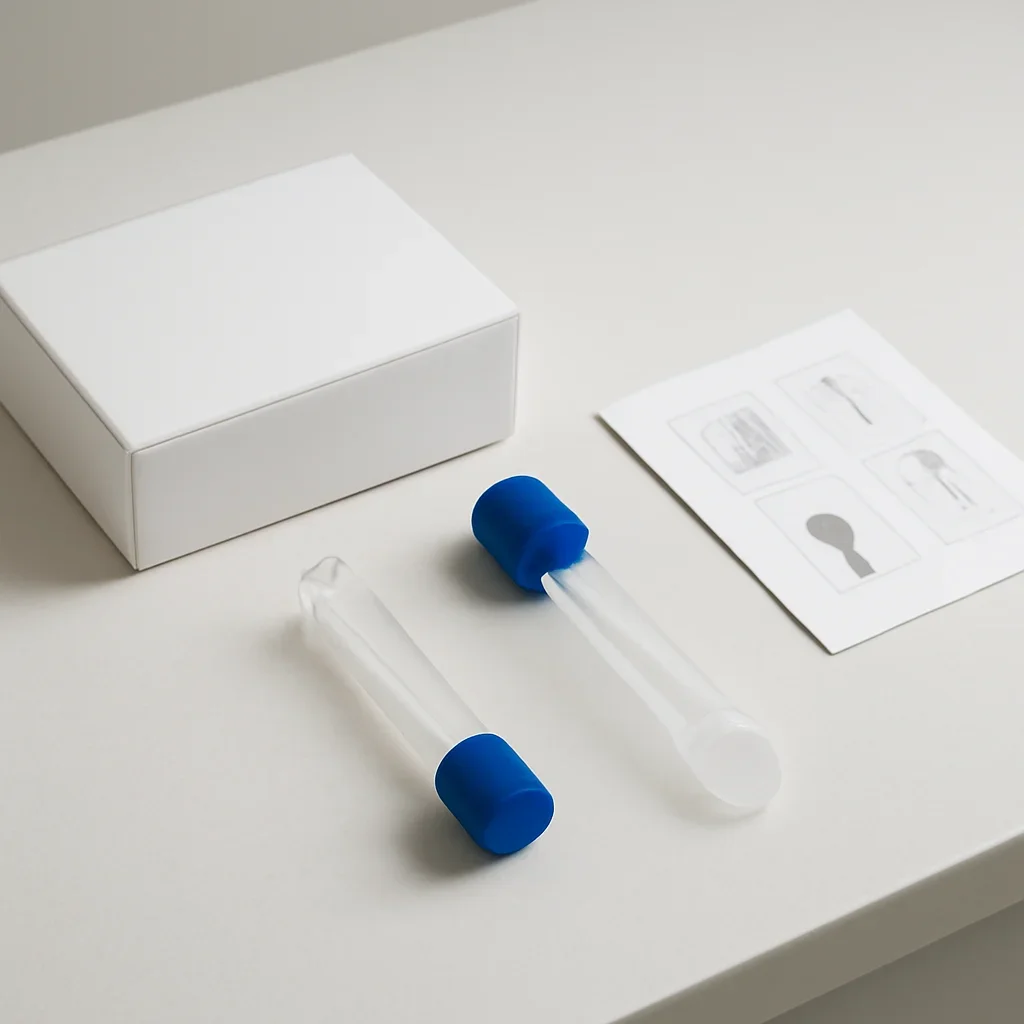
A strong microbiome page explains what happens after the kit arrives: collect the stool sample correctly, return it as instructed, read the report as a snapshot, and use the result in context rather than as a diagnosis.
Because the microbiome changes over time, a report should be read as a snapshot rather than a permanent label about your gut health.
How it works
This section stays concrete on purpose. Clear process beats marketing language every time.
Start by confirming the right microbiome option and the address where the collection kit should arrive.
Use the collection materials exactly as instructed so the sample quality is preserved.
Read the summary and the most relevant sections first, keeping the bigger picture in mind instead of reacting to one isolated metric.
Treat the result as a starting point for a practical next conversation, not as the final answer by itself.
Where it fits
The value of the result is not just in what appears on the page, but in how clearly that information can be used in a diet or clinician conversation.
Useful microbiome content does not stop at description. It helps readers decide whether the next step is nutrition support, medical review, or simple patience.


Why it works
Strong pages do not stop at definitions. They make the next move clear, whether that means ordering, comparing options, reviewing privacy, or bringing the report into a clinician conversation.
Trust structure
Reviews and credentials may be published later. Until then, the page still needs a trust structure readers can use immediately.
Customer feedback can be added here after consent and editorial review. For now, the page builds trust through specific collection steps, realistic limitations, and a clear description of what the report can and cannot do.
This module can hold approved reviewer bios and qualifications later. For now, the page shows credibility through clarity about method, limitations, and follow-up.
Before ordering, readers should know how the kit arrives, how samples are collected, how reports are returned, and where professional follow-up fits. Specific process detail often does more to build confidence than generic claims.
FAQ
Each answer is written as if a real customer asked it, because that is exactly how FAQ content should work.
Most people expect a breakdown of the sample, practical explanations, and structured sections that help them understand what was seen. The useful part is not just the data itself, but how clearly the report explains what those findings may and may not mean.
Not automatically. Some people benefit from careful nutrition follow-up, but sweeping diet changes based on one report can be unhelpful. It is better to consider symptoms, food history, and professional guidance before making big changes.
No. A microbiome test can add context, yet it does not replace medical evaluation for persistent pain, bleeding, weight loss, fever, or other concerning symptoms. Those situations still deserve appropriate clinical care.
Next step
The best support request names the real goal: compare options, understand a result, think through diet questions, or decide whether testing fits at all.