
Use Case
When gut-health information online feels noisy or oversimplified, microbiome testing provides a more grounded way to review a sample, read a report, and decide what deserves a deeper conversation. Results can be useful, but they still need to be interpreted in context.

Fast scan
A card layout only works when each block adds something new. The points below are written to do that.
The copy stays tied to the real question behind the page rather than generic filler.
Collection, reporting, and follow-up are explained in plain language so expectations stay realistic.
The page avoids overpromising and keeps limitations visible.
Why this matters
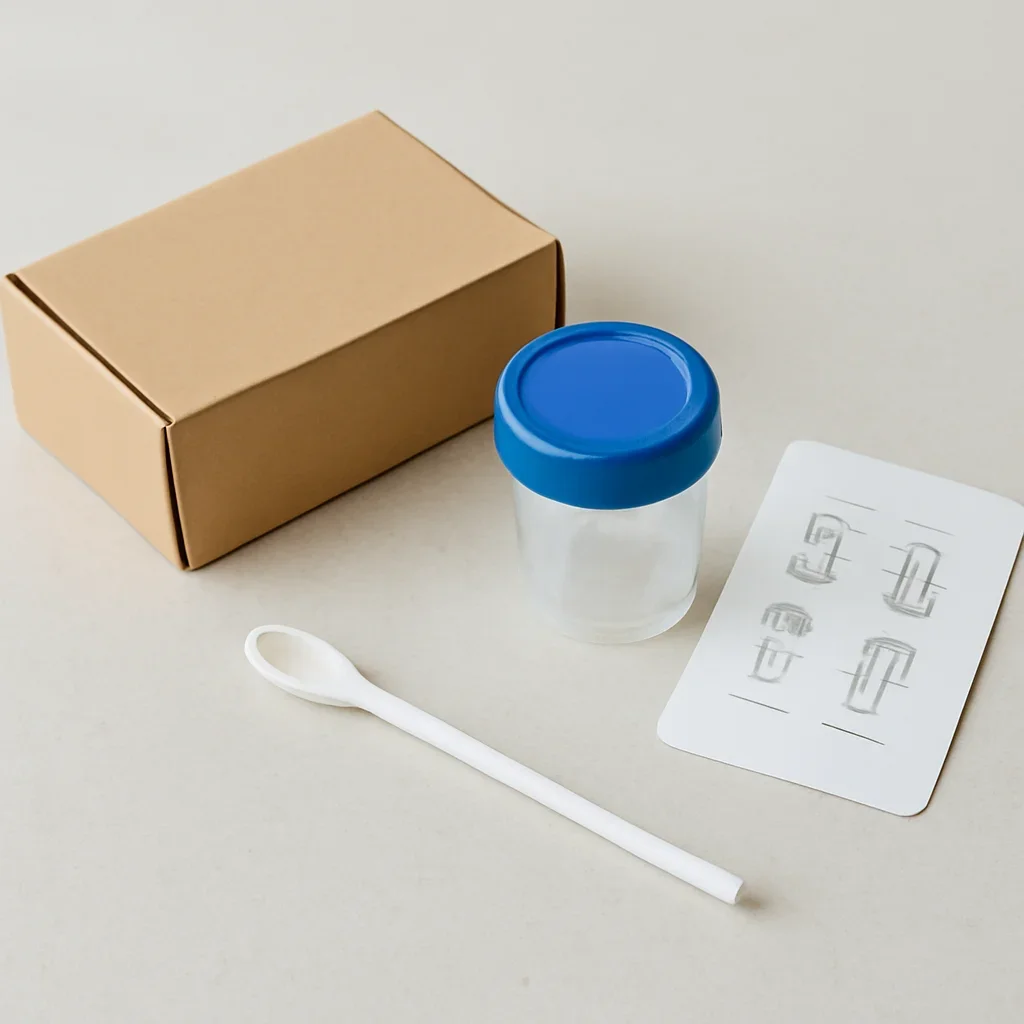
Bloating can be influenced by meal timing, diet pattern, bowel habits, stress, recent antibiotics, and several medical conditions, so a microbiome report is best used as context rather than as a stand-alone answer.
That said, many people find the report helpful because it turns a vague gut-health question into something more concrete to review with a qualified professional.
How it works
When the next steps are explicit, people can decide whether the service fits before they commit.
Complete the online order and confirm shipping details before the kit is dispatched.
Follow the sample directions carefully because handling and timing can affect the usefulness of the result.
Read the summary and the most relevant sections first, keeping the bigger picture in mind instead of reacting to one isolated metric.
Use the results to shape a discussion about diet, symptoms, lifestyle, or whether more formal medical testing is needed.
Where it fits
A report is most useful when it makes the next question easier to ask. For many readers, that means tying the findings to symptoms, food history, and sensible follow-up.
The value of the result is not just in what appears on the page, but in how clearly that information can be used in a diet or clinician conversation.

Why it works
Readers should be able to see what to do after this page without feeling pushed. That is why the copy connects information to a specific next action instead of looping through filler.
Trust structure
This section is structured so formal proof can be added later without forcing generic filler into the page now.
Once compliant customer feedback is available, it can live in this module. Until then, the page focuses on method, reporting, and useful limits rather than generic wellness praise.
Reviewer credentials and science oversight details can be inserted here once finalized. In the meantime, the page keeps its value by being specific about collection, reporting, and responsible follow-up.
A clear process is often the first real trust signal on a new site. Readers can tell when the next steps are grounded and when they are not.
FAQ
Each answer is written as if a real customer asked it, because that is exactly how FAQ content should work.
Not by itself. A microbiome report can add context, but symptoms such as pain, blood in stool, unexplained weight loss, or persistent diarrhea still need appropriate medical assessment.
Usually not. The report is more useful when paired with symptom history, diet patterns, and a realistic follow-up plan rather than immediate overcorrection.
People who have a specific question in mind tend to benefit most, because the test can then be judged against a real goal instead of a vague desire for more wellness data.
Next step
The best support request names the real goal: compare options, understand a result, think through diet questions, or decide whether testing fits at all.