
Healthcare Provider Letter
A better appointment starts before the conversation begins. This guide helps people prepare a short, useful discussion with a doctor or pharmacist about pharmacogenetic testing instead of arriving with a stack of unanswered internet questions.

Page highlights
These cards pick out the details that matter early, so the page earns attention before it asks for action.
This page stays close to the real medication question behind the search instead of drifting into generic genetics copy.
Readers get practical detail without being pushed toward self-directed medication changes.
Every section points toward sample collection, report review, and professional discussion.
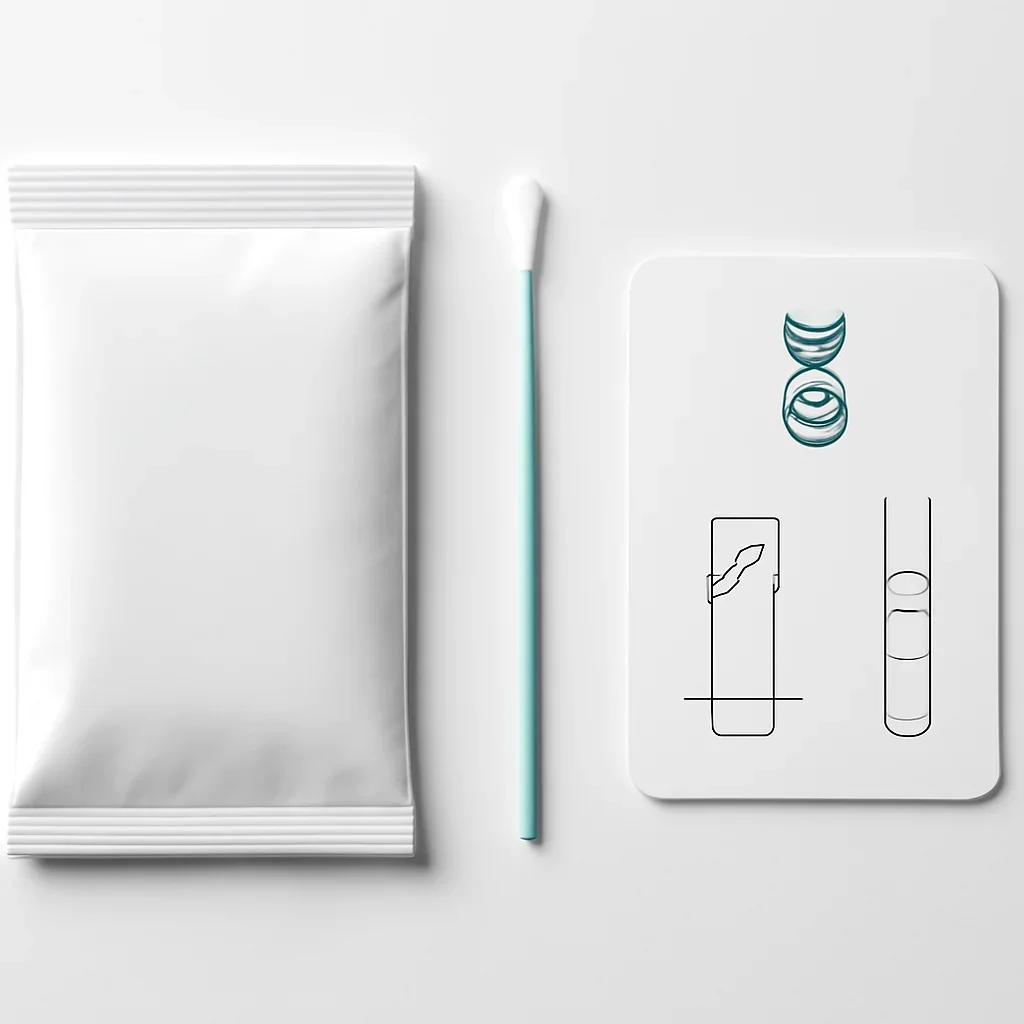
Closer look
Many appointments go better when the patient arrives with one focused question instead of ten broad ones. That is the value of a discussion guide: it turns internet research into a short, usable conversation starter.
The most helpful preparation usually includes a current medication list, the reason testing is being considered, and a willingness to ask how the result would actually change care.
Process
Specific steps build confidence faster than broad promises because readers can picture what happens next.
Decide what you want to discuss before the appointment begins.
A current list gives the conversation something concrete to work from.
Past side effects, prior medication trials, or treatment goals can change the discussion.
Focus on whether testing would meaningfully influence the next decision.
Applied view
The value of testing usually appears after the result is connected to a real medication question. That is why the report, the medication list, and the follow-up discussion belong together rather than in separate silos.
A PGx result matters most when it is tied to a specific prescribing question. Without that context, even a well-designed report can feel more impressive than useful.

FAQ
The goal here is to answer the question directly in a few useful sentences, not send people in circles.
Bring your current medication list, a short summary of your question, and the report or ordering details you want to discuss. That keeps the conversation focused and easier to document.
Very direct. It is reasonable to say what you are hoping to understand, whether that is side effects, past medication failures, or whether testing would add value before making a change.
No. Its purpose is to help you prepare for a better conversation, not to stand in for clinical care.
Next step
Tell us which medication discussion you are preparing for, where you are located, and what page you have already reviewed. That context makes the follow-up far more useful.