
Comparison
Comparison pages are useful only when they clarify different questions, not when they chase terminology. The sections below keep the distinctions practical so readers can see where two similar-looking options overlap and where they do not.

Fast scan
Each card adds a distinct point, which keeps the layout useful instead of repeating the same sentence in three different boxes.
This page stays close to the real medication question behind the search instead of drifting into generic genetics copy.
Readers get practical detail without being pushed toward self-directed medication changes.
Every section points toward sample collection, report review, and professional discussion.
Details that matter
These terms are often used interchangeably in everyday conversation, but the difference still matters when someone is deciding what service or article they actually need. Clarifying the label makes it easier to compare products, evidence summaries, and report descriptions without confusion.
A useful comparison should also tell you when the difference is mainly about wording and when it changes the way a page or report is framed.
From here
Specific steps build confidence faster than broad promises because readers can picture what happens next.
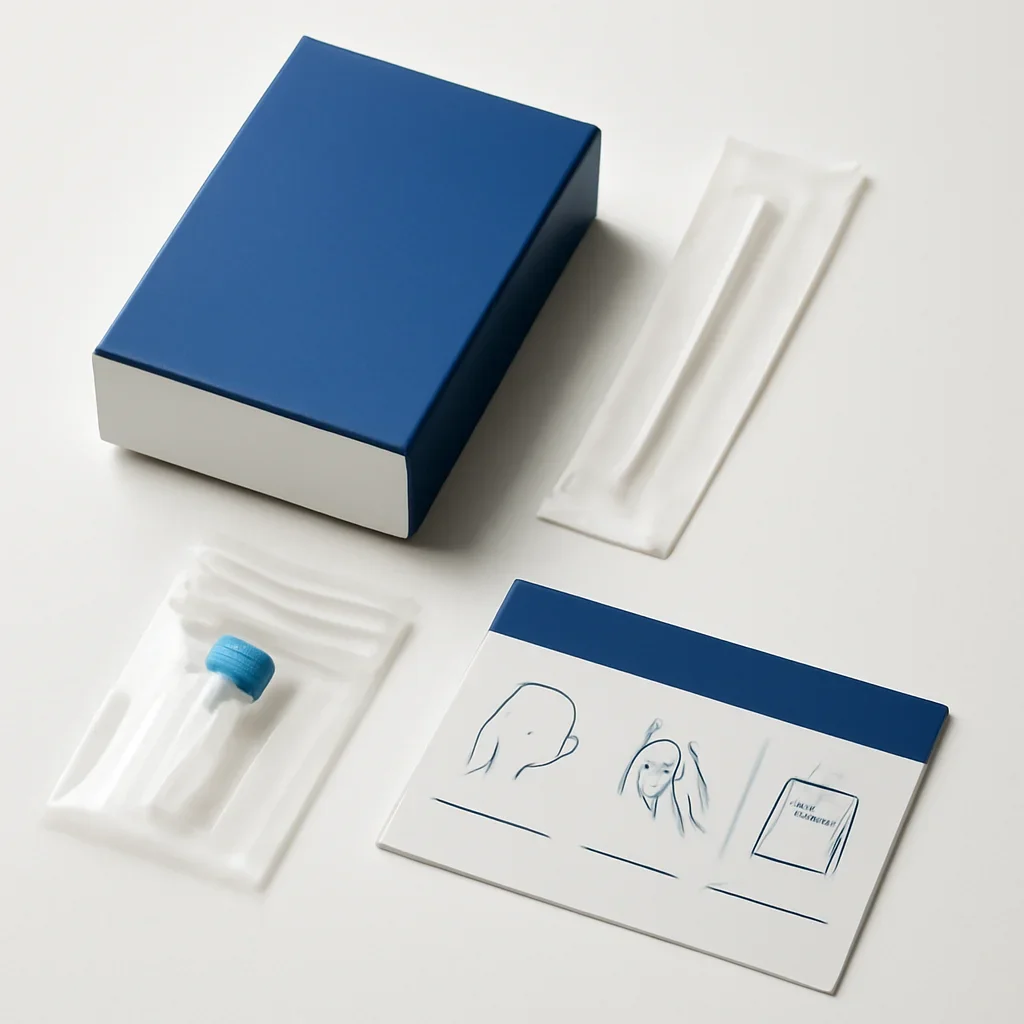
Start by selecting the right PGx option, then check delivery, consent, and any ordering requirements before payment.
Use the collection steps exactly as provided so the sample reaches the laboratory in the expected condition.
Look at the medication-relevant sections first, especially the parts tied to the questions that led you to testing.
Share the report with the prescribing clinician or pharmacist before making any medication changes.
In practice
The value of testing usually appears after the result is connected to a real medication question. That is why the report, the medication list, and the follow-up discussion belong together rather than in separate silos.
A PGx result matters most when it is tied to a specific prescribing question. Without that context, even a well-designed report can feel more impressive than useful.

Why it works
Readers should be able to see what to do after this page without feeling pushed. That is why the copy connects information to a specific next action instead of looping through filler.
FAQ
Quick, specific answers reduce friction better than long generic explanations.
Because similar-looking tests are often designed to answer different questions. A strong comparison helps you avoid paying for data that does not match the decision you are actually trying to make.
Not necessarily. More data is only better when it leads to clearer interpretation and a better next step. In many cases, relevance and clarity matter more than sheer complexity.
Start with the clinical or practical question, then compare collection method, report design, follow-up needs, and the limits of each option. That keeps the choice grounded in use rather than marketing language.
Next step
Tell us which medication discussion you are preparing for, where you are located, and what page you have already reviewed. That context makes the follow-up far more useful.