
Comparison
People usually search for a comparison page when they want confidence before they buy. A good comparison does more than list features; it explains what question each option is built to answer and where expectations should stay modest.

Page highlights
Each card adds a distinct point, which keeps the layout useful instead of repeating the same sentence in three different boxes.
The copy stays tied to the real question behind the page rather than generic filler.
Collection, reporting, and follow-up are explained in plain language so expectations stay realistic.
The page avoids overpromising and keeps limitations visible.
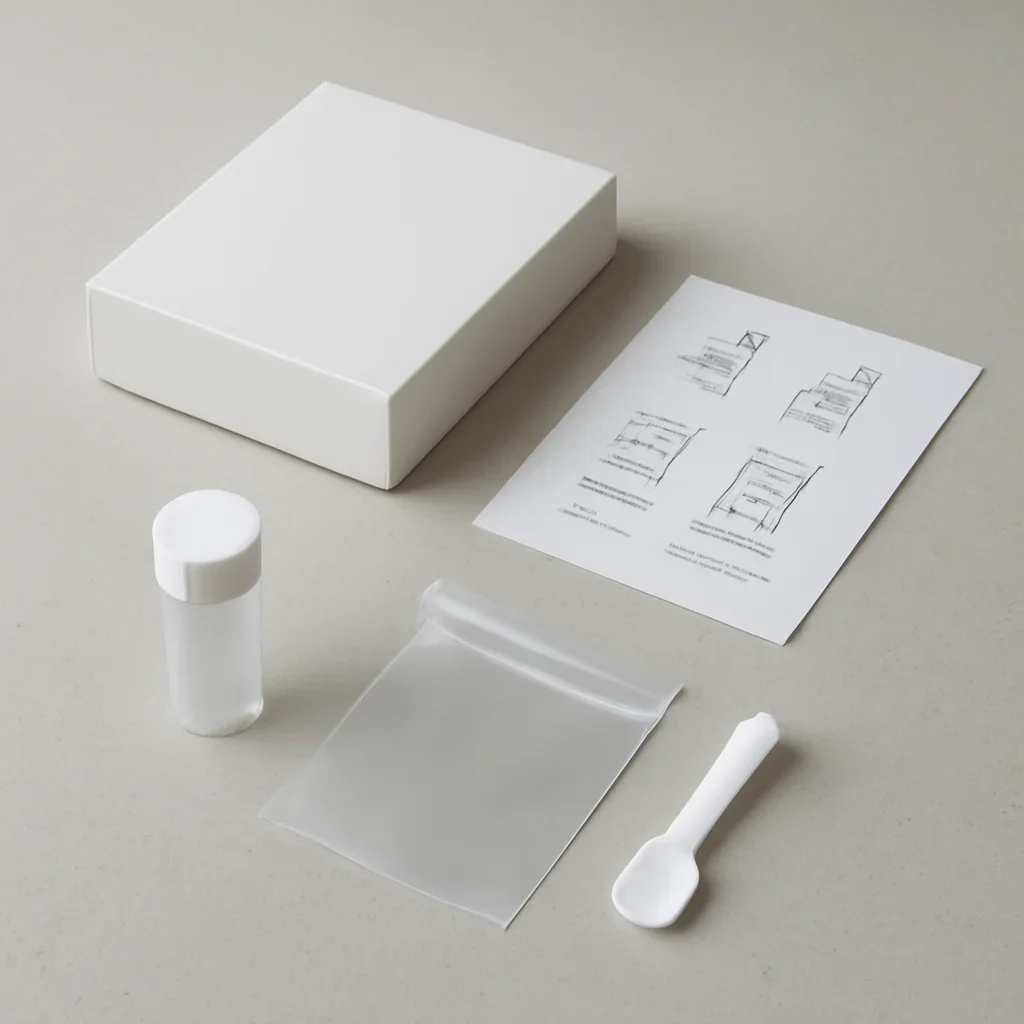
Useful detail
Some buyers compare a general microbiome report with branded stool-testing panels because they want to know how deep the analysis is and how the report is intended to be used. The more important question is whether the method and report design match your goal.
For many people, clarity matters as much as technical depth. A report that is easier to interpret responsibly can be more useful than one packed with unexplained data.
Process
When the next steps are explicit, people can decide whether the service fits before they commit.
Start by confirming the right microbiome option and the address where the collection kit should arrive.
Careful collection helps protect sample integrity and reduces the chance of avoidable delays.
Read the summary and the most relevant sections first, keeping the bigger picture in mind instead of reacting to one isolated metric.
Use the results to shape a discussion about diet, symptoms, lifestyle, or whether more formal medical testing is needed.
Where it fits
The value of the result is not just in what appears on the page, but in how clearly that information can be used in a diet or clinician conversation.
Useful microbiome content does not stop at description. It helps readers decide whether the next step is nutrition support, medical review, or simple patience.


Page structure
Strong pages do not stop at definitions. They make the next move clear, whether that means ordering, comparing options, reviewing privacy, or bringing the report into a clinician conversation.
FAQ
Quick, specific answers reduce friction better than long generic explanations.
Because similar-looking tests are often designed to answer different questions. A strong comparison helps you avoid paying for data that does not match the decision you are actually trying to make.
Not necessarily. More data is only better when it leads to clearer interpretation and a better next step. In many cases, relevance and clarity matter more than sheer complexity.
Start with the clinical or practical question, then compare collection method, report design, follow-up needs, and the limits of each option. That keeps the choice grounded in use rather than marketing language.
Next step
The best support request names the real goal: compare options, understand a result, think through diet questions, or decide whether testing fits at all.